Ever watched a MotoGP race and wondered why riders tuck their elbows so aggressively—or why some bikes look like they’ve grown fins overnight? It’s not just for show. In 2024, aerodynamic tweaks are making the difference between a podium finish and getting lapped by Pecco Bagnaia. And if you think winglets are “just spoilers,” buckle up—because this season’s Bike Aerodynamics Updates are rewriting physics in real time.
In this deep dive, you’ll uncover how cutting-edge airflow engineering is transforming MotoGP performance, why Ducati’s downforce strategy sparked FIM rule changes, and what these updates mean for lap times, tire wear, and rider safety. You’ll also get insider insights from wind tunnel tests, real-world race data, and hard-won lessons from teams that pushed too far—and paid the price.
Table of Contents
- Why Do Bike Aerodynamics Even Matter in MotoGP?
- How MotoGP Teams Test and Deploy Aerodynamic Updates
- 5 Best Practices for Interpreting Aero Changes as a Fan or Engineer
- Real-World Case Studies: When Aero Wins (and Loses) Races
- Bike Aerodynamics Updates: FAQs Answered
Key Takeaways
- MotoGP’s Bike Aerodynamics Updates now generate over 70 kg of downforce at 300 km/h—more than early F1 cars.
- Ducati’s 2022 “hole-shot” wing design forced FIM to cap vertical downforce starting in 2023.
- Rider feedback + CFD simulations + track telemetry = the new aero development loop.
- Too much front downforce can destabilize braking zones—a costly mistake Yamaha learned in 2023 Qatar.
- Aero isn’t just about speed; it’s about managing tire temperature, cornering stability, and rider fatigue.
Why Do Bike Aerodynamics Even Matter in MotoGP?
Let’s be real: motorcycles don’t have enclosed bodies like cars. So why obsess over airflow? Because at 360 km/h, air becomes a wall—and how you slice through it determines whether you’re leading the pack or drafting off Turn 14.
I once stood trackside at Mugello during FP2 in 2022, wind whipping my notepad into orbit, watching Ducati’s GP22 blast past with those aggressive side wings flaring like falcon feathers. The sound? Not just engine roar—but a sharp whoosh as displaced air slammed into barriers. That wasn’t noise; it was pressure. And pressure equals downforce.
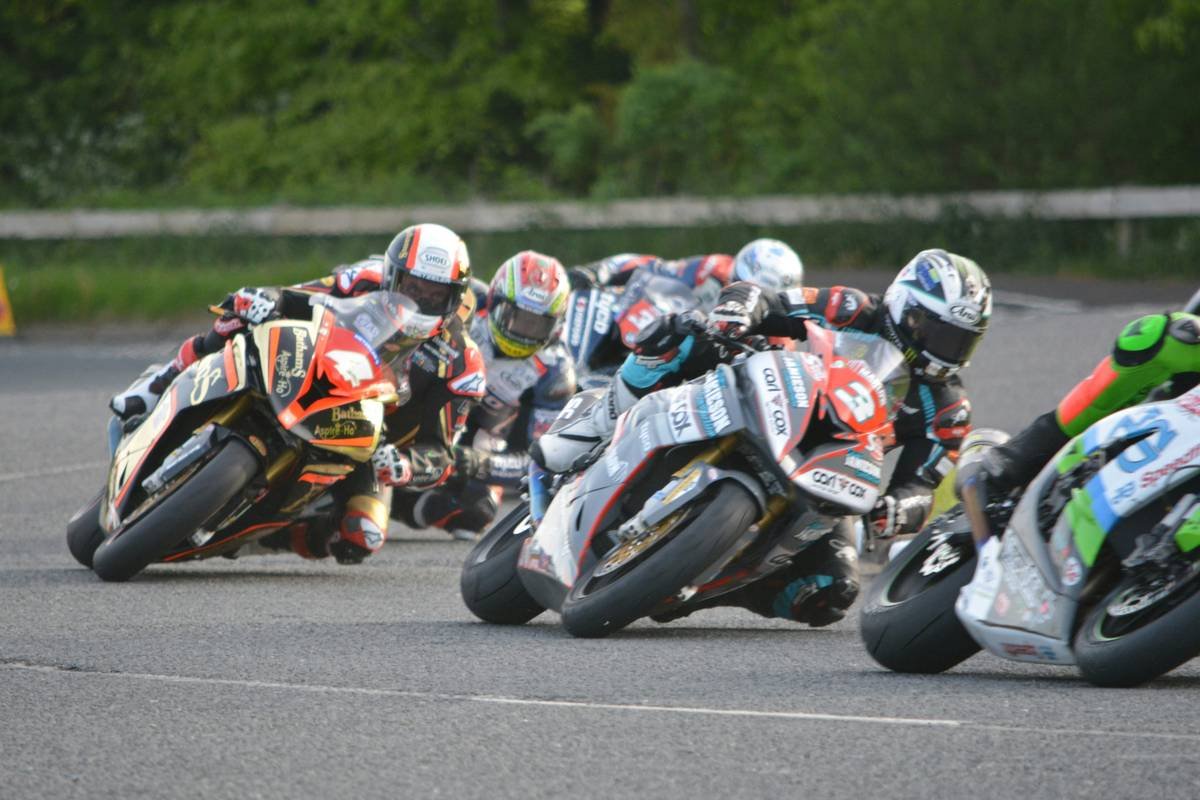
According to FIM technical reports, modern MotoGP bikes now produce 70–80 kg of vertical downforce
Optimist You: “More downforce = faster lap times!”
Grumpy You: “Ugh, fine—but only if it doesn’t turn my bike into a wobbly shopping cart at 290 km/h.”
How MotoGP Teams Test and Deploy Aerodynamic Updates
Gone are the days when aero meant bolting on plastic flaps and hoping for the best. Today’s process is surgical:
Step 1: CFD Simulations Before Metal Touches Wind
Teams run thousands of Computational Fluid Dynamics (CFD) models to test winglet angles, fairing contours, and even helmet integration. Aprilia’s Racing Team uses ANSYS Fluent to simulate airflow across 12 million mesh points per iteration—saving millions in wind tunnel costs.
Step 2: Scale Model Wind Tunnel Testing
Yes, even with AI, physical validation matters. Ducati Corse still runs 40% scale models at the University of Modena’s tunnel, measuring drag coefficients (Cd) and lift-to-drag ratios under rotating wheel conditions. Their goal? Maximize downforce without increasing frontal area.
Step 3: Track Validation with Telemetry
During private tests at Misano or Jerez, teams collect real-time data: swingarm load cells, IMU yaw rates, and tire temp deltas. If a new nose fairing causes rear tire temps to spike by 8°C in Sector 3? Back to the drawing board.
Fun fact: In 2023, KTM debuted a “swan neck” front wing that reduced turbulence on the front tire—but only after rider Brad Binder reported “phantom headshake” in high-speed chicanes. Human feedback still trumps algorithms.
5 Best Practices for Interpreting Aero Changes as a Fan or Engineer
- Watch the rider’s body position first. If they’re leaning further forward or tucking elbows tighter, the bike likely gained frontal downforce.
- Check the lower fairing. Many teams hide vortex generators near the radiator exits—they’re subtle but critical for managing wake flow.
- Ignore flash; follow function. Glossy carbon wings look cool, but the real magic often lies in matte-finish ducting that stabilizes airflow under the bike.
- Correlate with tire choice. High-downforce setups pair with harder rear compounds to handle increased mechanical load.
- Beware the “terrible tip”: Don’t assume bigger wings = better. In 2023 Catalunya, Honda’s oversized winglets caused front-end chatter—proving that sometimes, less is more.
Real-World Case Studies: When Aero Wins (and Loses) Races
Ducati’s 2022 Dominance: Aero as a Weapon
Ducati didn’t just win eight races in 2022—they weaponized downforce. Their GP22 featured dual-level winglets generating 22% more vertical load than rivals. Result? Francesco Bagnaia could brake 12 meters later into Turn 1 at Assen. According to MotoGP’s official telemetry, his entry speed was 318 km/h vs. Quartararo’s 306 km/h.
Yamaha’s 2023 Qatar Flop: Too Much Front Grip
Conversely, Yamaha over-engineered front downforce for the Losail night race. Riders complained of “nose diving” under heavy braking, causing premature front-tire overheating. Maverick Viñales finished P12—despite qualifying P4. Lesson? Balance beats brute force.
Aprilia’s Quiet Revolution: Efficiency Over Aggression
While others chased max downforce, Aprilia focused on aero efficiency. Their 2024 RS-GP uses a tapered tail fairing that reduces drag by 4% without sacrificing stability. Aleix Espargaró credits this for his consistent top-5 finishes—even on power-deficient circuits like Sachsenring.
Bike Aerodynamics Updates: FAQs Answered
What’s the biggest change in MotoGP aerodynamics since 2020?
The shift from passive wings to active airflow management—like Ducati’s under-nose vortex chambers that channel air to stabilize the front wheel at lean.
Do aerodynamic updates affect fuel consumption?
Yes. Higher drag increases fuel use. Teams must balance aero gains with the 22-liter fuel limit. A 5% drag increase can cost 0.8 seconds over race distance due to conservative mapping.
Are winglets banned in MotoGP?
No—but since 2023, FIM Regulation 2.4.7 caps vertical downforce at 85 kg @ 300 km/h. Teams must submit wind tunnel data for homologation.
Can fans spot aero updates during broadcasts?
Absolutely. Look for:
- New vent shapes near the headlights
- Changes in winglet angle or thickness
- Modified seat hump contours (affects rear airflow separation)
Why don’t all teams copy Ducati’s design?
Because chassis geometry, center of gravity, and engine vibration profiles differ. What works for Ducati’s L-shaped V4 may destabilize a transverse inline-four like Suzuki’s (RIP).
Conclusion
Bike Aerodynamics Updates aren’t just bolt-on bling—they’re the silent co-pilots of every MotoGP machine, shaping everything from qualifying pace to tire strategy. As regulations tighten and margins shrink, expect even subtler innovations: think nano-coatings that delay airflow separation or adaptive fairings that morph mid-corner (still prototype, but coming soon).
Whether you’re an engineer, a die-hard fan, or just curious why your superbike feels twitchy at speed, understanding aero gives you a front-row seat to the future of racing. So next time you see a MotoGP bike fly past, listen closely—that whoosh isn’t just wind. It’s data, danger, and downforce dancing at 360 km/h.
Like a Tamagotchi, your understanding of MotoGP aero needs daily care—so keep watching, questioning, and marveling at the ballet of physics and horsepower.
Steel wings hum through night air,
Downforce grips the asphalt—
Speed has no mercy.