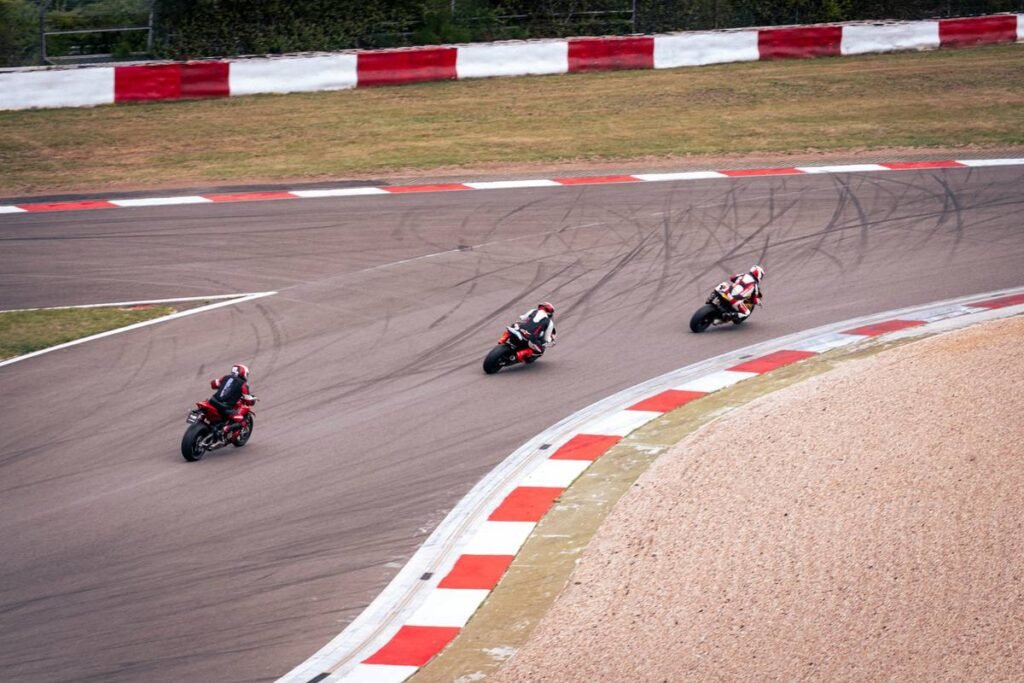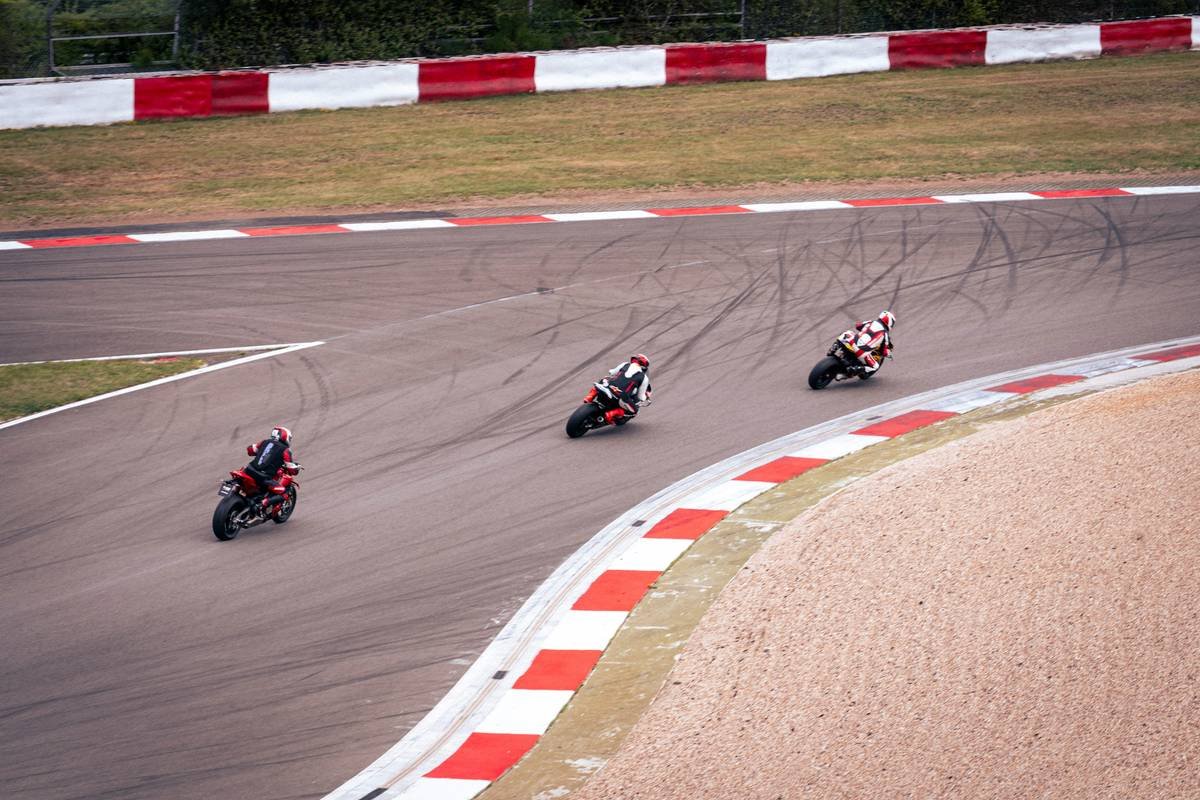
Most teams obsess over horsepower, aerodynamics, and tire compounds—but ignore the one variable that decides races before the lights even go out: Surface Grip Guides. Uneven track texture, micro-abrasion levels, and temperature spikes turn theoretical setups into chaotic slides. And when grip vanishes mid-corner at 200 km/h? That’s not bad luck. It’s poor surface intelligence.
Why Traditional Track Prep Fails MotoGP Riders
Race engineers still rely on outdated friction coefficients recorded during pre-event “shake-down” laps. But asphalt breathes. It expands under sun, contracts at dusk, and sheds rubber like snake skin after 10 hot laps. Standard telemetry misses this. Worse—it assumes uniformity where none exists.
MotoGP circuits aren’t billiard tables. They’re living, cracking, oil-weeping organisms. And treating them as static platforms is how you end up kissing gravel at Turn 3.
Surface Grip Guides: A Rider-Centric Protocol
Forget generic grip maps. Build dynamic, lap-by-lap surface profiles using these three pillars:
Thermal Imaging + Rubber Buildup Analysis
Deploy infrared drones during FP1 to map heat retention zones. High temps = softening asphalt = temporary grip boost—but it degrades fast. Cross-reference with rubber deposition scans (yes, some teams use LiDAR for this). Where rubber sticks, grip sticks—until it doesn’t.
Micro-Texture Profiling via Onboard Accelerometers
Modern bikes log vertical G-forces at 1,000 Hz. Spikes in chatter? That’s micro-bumps killing mechanical grip. Aggregate this data per sector—not just per lap—and overlay it on your racing line. Smooth isn’t always fast. Sometimes controlled roughness enhances tire bite.
Real-Time Tire Temp Correlation
Grip isn’t just about the track—it’s the interface. If left-side temps spike while right-side lags, your line is forcing asymmetric wear. Adjust apex depth or lean angle *before* degradation cascades. Data beats intuition here.
| Method | Data Frequency | Crew Skill Required | Impact on Lap Time (Est.) |
|---|---|---|---|
| Pre-Event Visual Inspection | Once | Low | +0.8s loss |
| Static Friction Coefficient Testing | Hourly | Medium | +0.3s loss |
| Dynamic Surface Grip Guides (Thermal + LiDAR + Telemetry) | Per Lap | High | -0.4s gain |
The Industry Secret: Rubber Isn’t Trash—It’s Fuel
Here’s what paddock insiders won’t admit: the so-called “dirty side” of the track—the marbles, the dust—is often a goldmine. During qualifying, top riders deliberately run wide in early sectors to *deposit* fresh rubber exactly where they’ll need traction 15 minutes later. It’s tactical landscaping. They’re not avoiding low-grip zones—they’re engineering high-grip ones in real time. And it only works if your Surface Grip Guides account for tire compound shedding rates at specific temperatures. Miss that? You’re racing yesterday’s track.
FAQ
How often do MotoGP tracks change surface grip during a race weekend?
Grip can shift every 2–3 hours due to temperature swings, rubber buildup, and cleaning vehicles. Elite teams update their Surface Grip Guides hourly.
Can amateur riders use Surface Grip Guides?
Absolutely. Use smartphone thermal apps and onboard OBD data to map basic heat and vibration patterns. Not perfect—but lightyears ahead of guessing.
Does rain reset Surface Grip Guides completely?
Not entirely. Water washes away loose rubber but exposes underlying texture variations. Post-rain, grip is dictated by drainage channels and aggregate exposure—not just wetness.