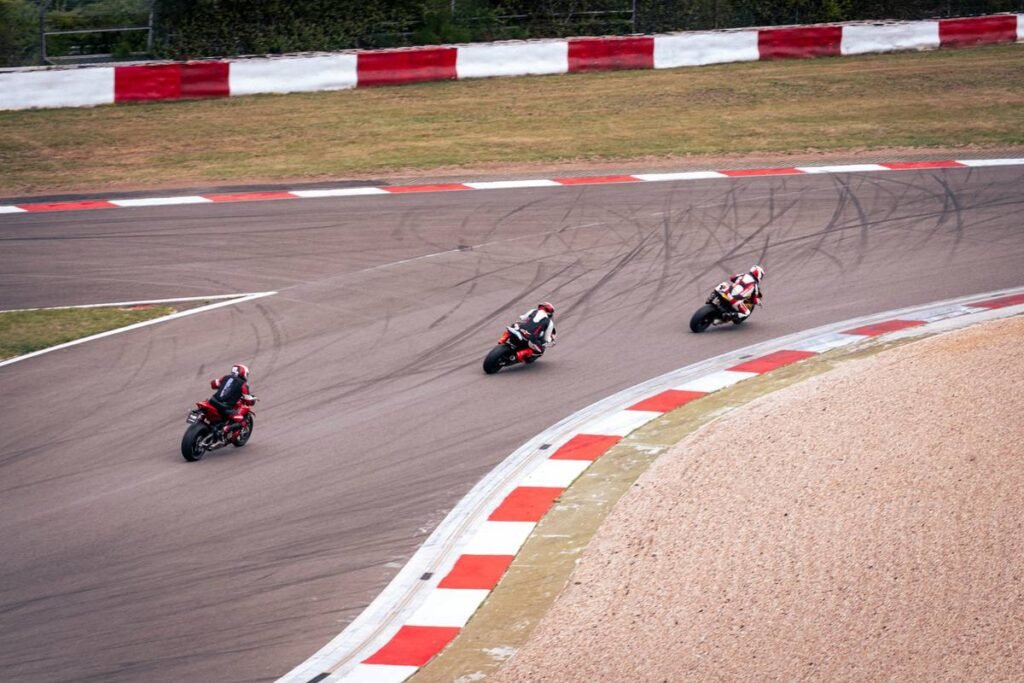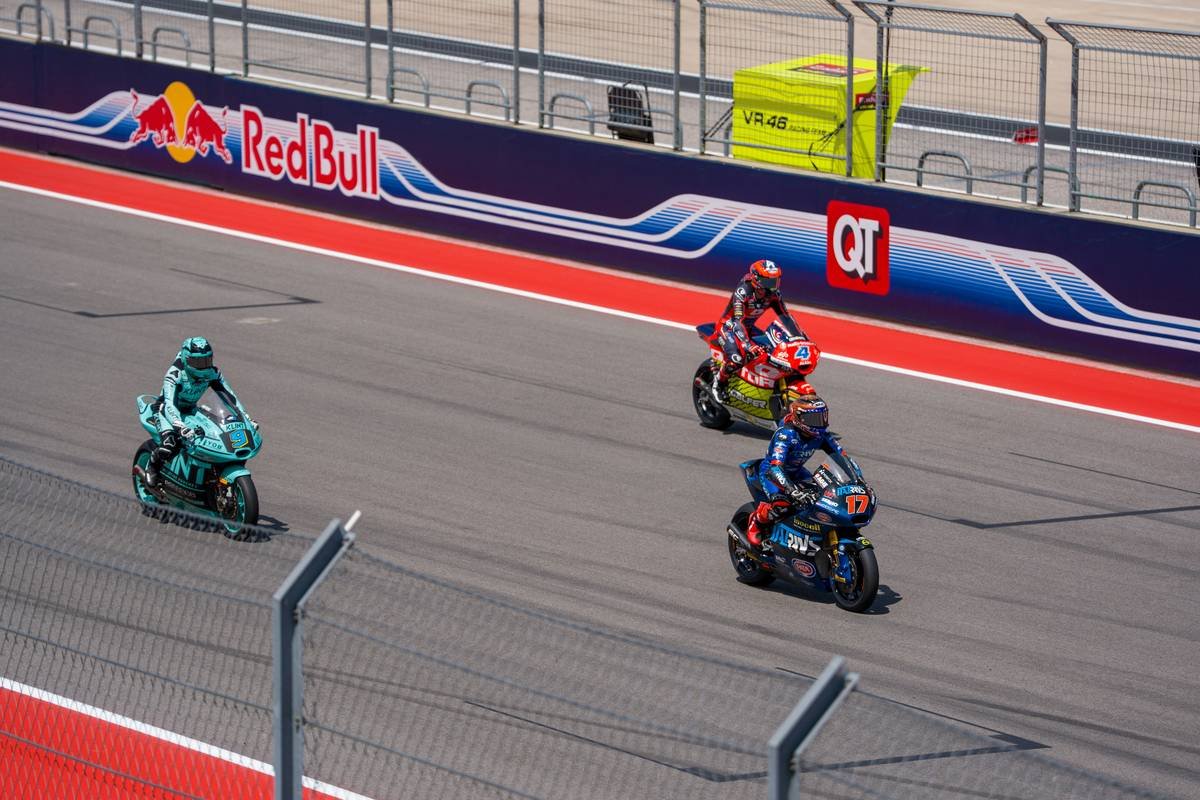
Race day arrives—and the track you practiced on yesterday feels like a different planet. Grip levels shift. Racing lines vanish. Corner exits turn treacherous. Most riders panic. They tweak setups blindly, chasing ghosts. But elite MotoGP squads? They anticipate it. The secret isn’t just data—it’s understanding Track Evolution Tips before the asphalt even heats up.
Why Standard Setup Strategies Fail on Evolving Tracks
Teams often treat Friday practice data as gospel. Big mistake. Asphalt temperature, rubber buildup, and micro-abrasion change lap after lap—especially at new or resurfaced circuits like Mandalika or Algarve. A setup dialed for clean tarmac at 9 a.m. becomes unstable by qualifying under midday sun.
And that rear stability you loved in FP1? Gone by Q2. Rubber marbles accumulate off-line, creating deceptive grip pockets that lure riders into false confidence. Traditional telemetry can’t capture this nuance in real time. You’re not just racing rivals—you’re racing the track itself.
Track Evolution Tips: A Step-by-Step Framework Used by Factory Crews
Forget generic advice. Here’s how satellite and factory teams actually adapt:
Map Micro-Zones, Not Just Sectors
Divide each corner into three zones: entry, apex, exit. Monitor tire wear and lean angle per zone—not just average sector times. A 0.2-second loss at Turn 8 exit might trace back to grip decay at Turn 6 entry due to shared rubber deposition patterns.
Simulate Rubber Buildup with AI-Driven Tyre Models
Ducati’s 2023 breakthrough wasn’t aerodynamics—it was feeding historical rubber accumulation data into their tyre thermal simulators. This predicted when and where “green” vs. “blue” lines would emerge hours before riders felt it.
Adjust Damping Dynamically, Not Just Spring Rates
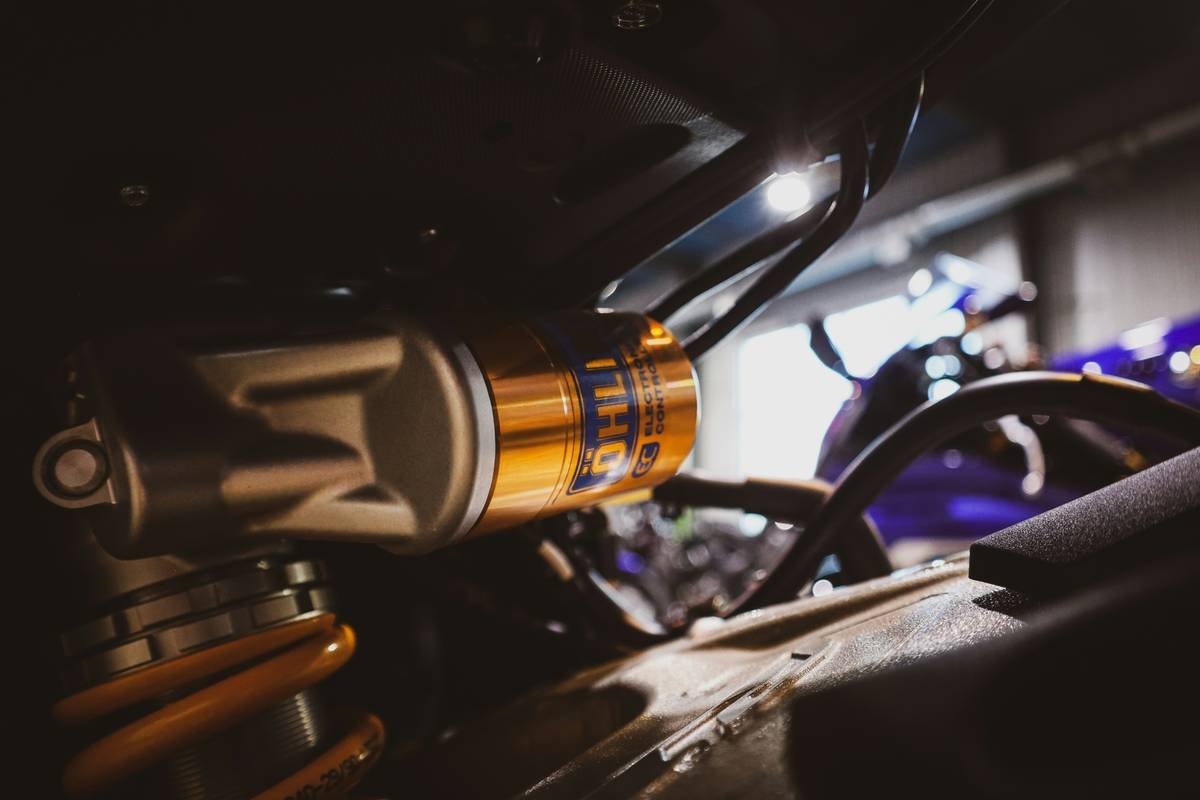
Most amateurs tweak springs. Pros tweak compression/rebound based on surface hysteresis. As track rubber builds, high-speed damping matters less; low-speed compliance becomes king for traction.
| Adaptation Method | Time Required | Cost (Team Resource) | Effectiveness on High-Evolution Tracks |
|---|---|---|---|
| Live Rubber Mapping via Drone Scans | 45–60 mins | High (dedicated engineer + drone crew) | ★★★★★ |
| Historical Telemetry Overlay | 15–20 mins | Medium (data analyst) | ★★★☆☆ |
| Rider Feedback Loop (Post-Lap Debriefs) | Immediate | Low (but subjective) | ★★☆☆☆ |
| AI-Predictive Grip Modeling | Pre-session setup | Very High (cloud compute + algorithms) | ★★★★☆ |
The Industry Secret: They Race the Track’s “Personality”
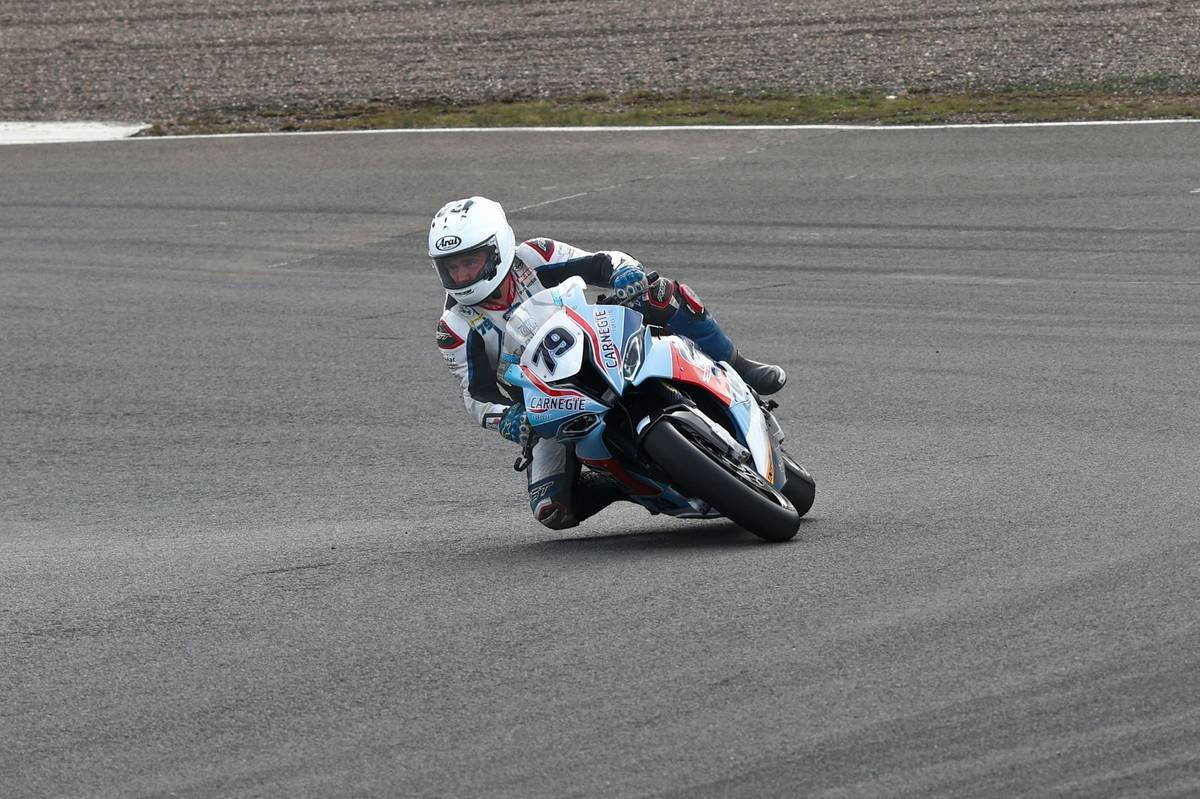
Top engineers don’t just measure grip—they assign behavioral profiles to circuits. Think of Jerez as “moody”: hot mornings = greasy, but consistent by afternoon. Qatar? “Predictable but deceptive”—cool temps hide low mechanical grip until lap 8. Portimão is “schizophrenic”—elevation changes cause uneven rubber distribution, making Turn 10 evolve independently of the rest.
Here’s the reality: The fastest riders aren’t those with the best bikes. They’re the ones whose crews speak the track’s language fluently. And that fluency comes from treating each circuit like a living entity—with moods, fatigue cycles, and memory.
Frequently Asked Questions
How quickly does track evolution happen in MotoGP?
Significant changes occur within 10–15 laps during practice. Resurfaced tracks like KymiRing can shift dramatically in under 5 laps due to rapid rubber pickup.
Do all riders benefit equally from track evolution?
No. Aggressive riders who lay down early rubber create preferred lines that suit their style—often disadvantaging smoother competitors later in the weekend.
Can amateur racers apply these Track Evolution Tips?
Absolutely. Focus on zone-based lap notes and monitor tire wear per corner. Even without AI, pattern recognition beats blind setup changes.