Every MotoGP rider knows it—the front tire tucks mid-corner not because of skill, but chemistry. Teams bleed millions into aerodynamics and electronics, yet lose races on millimeters of rubber that can’t handle 80°C track temps. The real battleground? Tire Compound Innovations. And right now, the gap between winning and crashing hinges on polymers most fans have never heard of.
Why Traditional Tire Strategies Are Obsolete in Modern MotoGP
MotoGP isn’t just faster—it’s hotter, stickier, and more violent on tires than ever. Old-school compounds crack under stress or melt into greasy slicks by Lap 5. Michelin’s post-2016 return forced a reset: no more Bridgestone-era predictability. Now, asymmetric tread designs and multi-zone rubber must survive carbon brakes, 340 km/h straights, and hairpins—all while delivering precise feedback through handlebars vibrating at 20 Hz.
And here’s the kicker: tire choice isn’t just about grip anymore. It’s data fusion—sensors embedded in the carcass stream live temperature and deformation metrics to pit engineers who adjust engine maps mid-session. Miss that window? You’re sandbagging with race-winning pace.
Tire Compound Innovations: Inside the Development Pipeline
The Polymer Cocktail No One Talks About
Race compounds aren’t one material—they’re 7–9 layered blends. Silica for wet traction, functionalized S-SBR for dry stiffness, and nano-clay fillers to resist thermal degradation. But the secret sauce? A proprietary resin system developed by Michelin’s Clermont-Ferrand lab that bonds layers without delamination under extreme lean angles. Riders call it “glue magic.” Engineers call it survival.
Real-Time Compound Tuning: From Factory to Grid
MotoGP factories get custom tire options per circuit—not just soft/medium/hard. At Mugello, they might spec a harder rear shoulder but softer center strip to handle elevation changes. At Silverstone? A completely different silica ratio to combat unpredictable British rain. This hyper-local tuning takes 6 weeks of simulation before a single prototype hits the dyno.
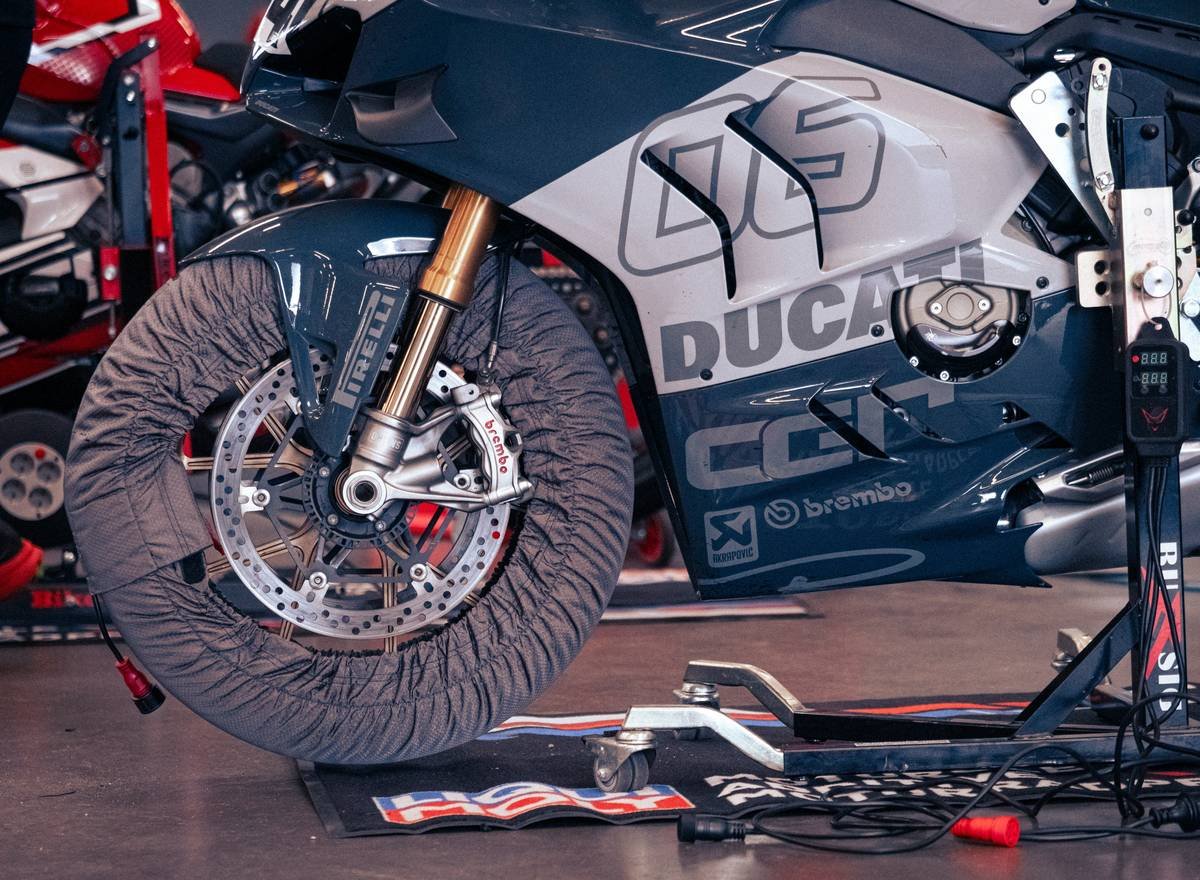
| Compound Type | Grip Level (Dry) | Durability (Laps) | Optimal Track Temp | Best For |
|---|---|---|---|---|
| X-Soft (Qualifying) | 9.8/10 | 4–6 | 25–35°C | Pole position runs |
| Soft (Race) | 8.5/10 | 12–18 | 30–45°C | Short circuits, high-grip surfaces |
| Medium (All-Rounder) | 7.2/10 | 18–24 | 35–55°C | Variable conditions, tire management focus |
| Hard (Endurance) | 6.0/10 | 25–30+ | 45–65°C | Hot tracks like Qatar or Sepang |
The Hidden Cost of Innovation
Developing a single new compound costs ~€2.3M and burns 11,000 test kilometers on private shakedowns. Yet teams rarely see ROI unless they’re factory-backed. Satellite squads often run “last-gen” rubber—good enough, but never race-winning. That asymmetry? It’s baked into the sport’s economics. And no, Dorna won’t fix it.
The Industry Secret: Tires Are Now Software-Defined
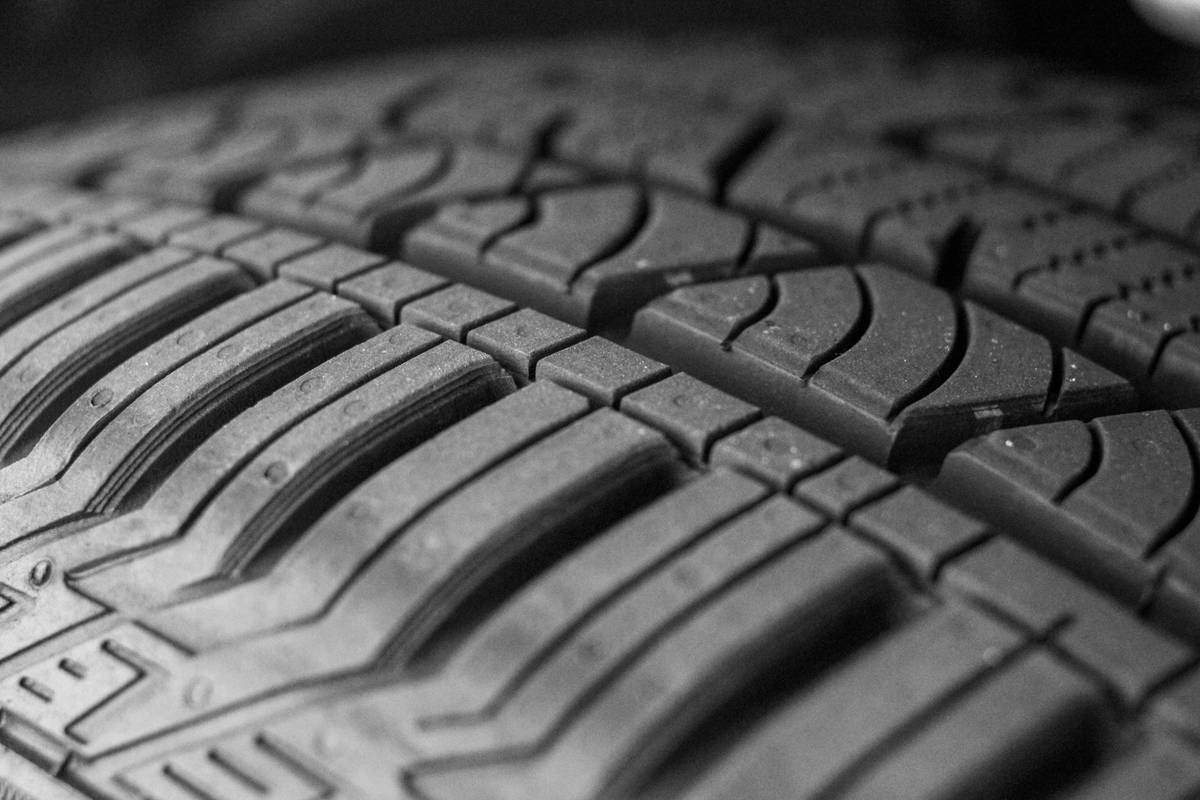
Here’s what paddock insiders whisper but never publish: modern MotoGP tires are co-developed with ECU manufacturers. The rubber’s hysteresis curve—the energy lost as heat during deformation—is mapped directly into traction control algorithms. Change the compound, and you must reflash the bike’s brain. Forget “tire warmers”—today’s pre-race ritual involves syncing tire IDs with the engine control unit via encrypted Bluetooth handshake. Miss that step? You’ll get false slip readings and cut power mid-corner. The math is simple: rubber + code = speed. Separate them, and you crash.
Frequently Asked Questions
How do MotoGP teams choose tire compounds during a race weekend?
They combine historical track data, real-time weather, and rider preference—but final selection locks 90 minutes before FP3. Teams get 10 sets total across 5 specs; strategy hinges on reading Friday practice grip decay rates.
Why don’t all riders use the softest tire available?
Soft compounds degrade fast under MotoGP loads. A 0.3-second lap gain early can become a 1.2-second deficit by Lap 10. Tire management often beats raw pace.
Are MotoGP tire innovations used in consumer bikes?
Yes—but with 3–5 year lag. Michelin’s Power Cup 2 street tire uses a diluted version of their 2019 MotoGP silica matrix. Not identical, but inspired.