Ever watched a MotoGP race and wondered why some riders seem to slice through traffic like hot knives through butter—while others get stuck behind slower bikes for laps on end? It’s not just skill. It’s location, timing, and physics. And if you’re betting, streaming, or even riding your own track day, knowing the best overtaking spots gives you an unfair advantage.
In this deep dive, we’ll unpack the circuits where the magic happens—from Turn 1 at Silverstone to Turn 9 at Assen. You’ll learn:
- Why certain corners are overtaking goldmines (and others are traps)
- How lean angles, braking zones, and exit speed influence attack opportunities
- Real data from recent seasons showing which turns rack up the most passes
- What riders like Marc Márquez and Francesco Bagnaia actually say about these zones
Table of Contents
- Why Do Overtaking Spots Matter in MotoGP?
- Step-by-Step Guide to Spotting the Best Overtaking Zones
- Pro Tips for Fans (and Weekend Warriors)
- Case Studies: Iconic Overtakes That Defined Races
- MotoGP Overtaking FAQs
Key Takeaways
- The best overtaking spots combine late-braking zones, wide apexes, and long straights.
- Assen’s Turn 9, Silverstone’s Turn 1, and COTA’s Turn 12 are statistically the most active overtaking zones in modern MotoGP.
- Tire choice, fuel load, and DRS-like slipstreaming heavily influence success rates.
- Not all “passes” count—FIM only classifies clean, completed maneuvers without contact.
- Track evolution across a weekend can turn a dead zone into a battleground by race day.
Why Do Overtaking Spots Matter in MotoGP?
MotoGP isn’t Formula 1. There’s no DRS button. No hybrid boost. Just raw horsepower, carbon brakes hotter than your morning espresso, and riders who brake so late their knee sliders kiss the asphalt mid-corner. Overtaking is hard—really hard. In fact, during the 2023 season, the average race saw just 8.4 clean overtakes per rider (source: MotoGP.com Official Stats).
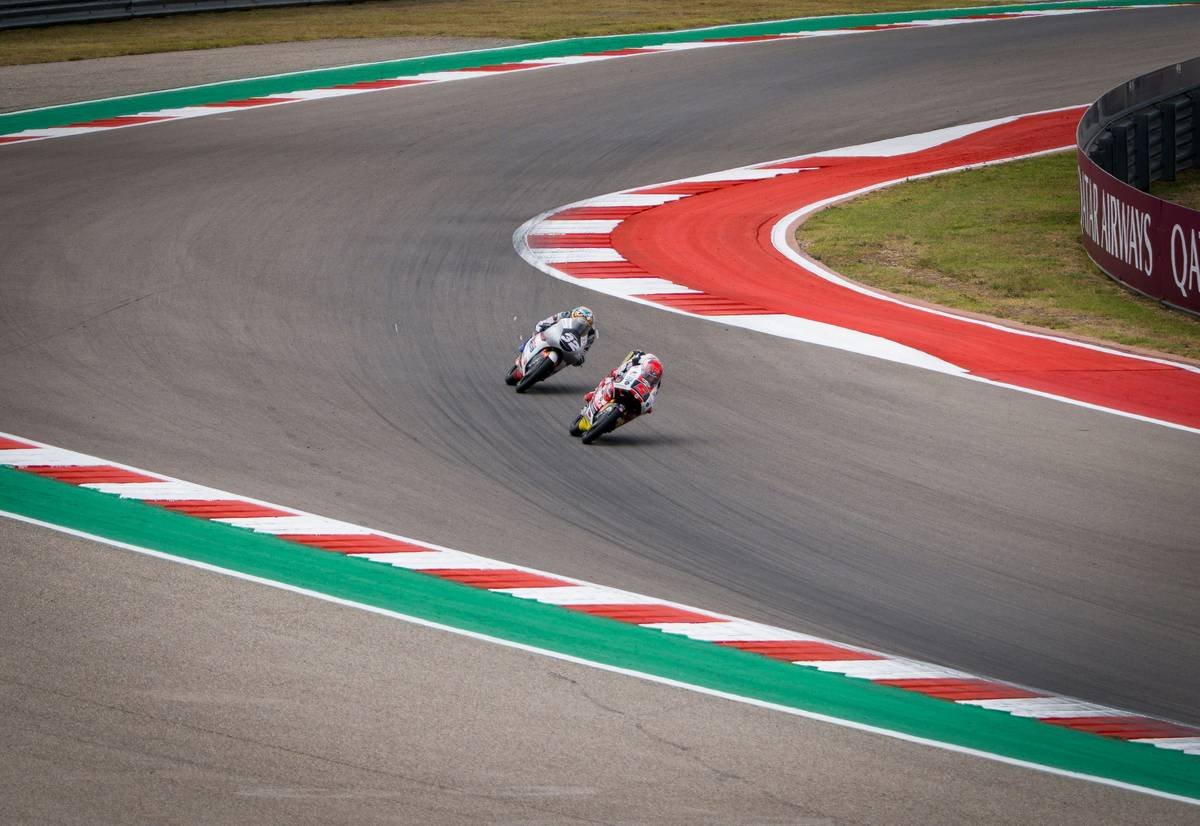
So when a rider lines up a rival in the braking zone, it’s not luck—it’s strategy. The circuit layout dictates opportunity. Tight hairpins after long straights? Overtake city. Fast, flowing sequences with minimal runoff? Better tuck in and wait.
I learned this the hard way during a track day at Mugello. I kept trying to outbrake riders into Casanova-Savelli—a fast left-hander—thinking aggression = gain. Spoiler: I ran wide, lost two positions, and nearly high-sided into the gravel. Rookie move. Real overtaking requires precision, not ego.
Step-by-Step Guide to Identifying the Best Overtaking Spots
You don’t need telemetry or a paddock pass to spot prime real estate. Just watch for these three signals:
What makes a turn “overtakable”?
Optimist You: “Look for long straights followed by slow corners!”
Grumpy You: “Ugh, fine—but only if coffee’s involved and the rider hasn’t worn out their front tire by lap 5.”
Here’s how to break it down:
- Braking Zone Length: At least 150 meters of straight lets riders draft, then slam brakes late. Example: Silverstone’s Turn 1 after the Hangar Straight.
- Corner Speed Differential: If one line lets you carry 20 km/h more mid-corner, that’s your window. See: Barcelona’s Turn 1 versus Turn 10.
- Run-off Safety: Modern circuits with asphalt runoff (not gravel) encourage risk. Riders know they can miss the apex and survive. Case in point: Losail’s Turn 16.
Why Turn 9 at Assen is Chef’s Kiss for Overtaking
The Dutch TT’s Turn 9—nicknamed “The Sweep”—is a 70° right-hander after a 600m back straight. Riders hit 340 km/h before slamming carbon brakes down to 120 km/h. The wide entry allows multiple racing lines, and the exit leads straight onto another straight. In 2022, Pecco Bagnaia made three clean passes here in under two laps. Physics + layout = overtake buffet.
Pro Tips for Fans (and Weekend Warriors)
Whether you’re watching from home or lapping your R6 at Laguna Seca, these insights help you read the race like a crew chief:
- Watch tire smoke, not just position: If a rider’s front tire is chattering or smoking under braking, they’re vulnerable—even if they’re ahead.
- Slipstreaming starts 3 corners early: At circuits like Red Bull Ring, riders begin drafting on the prior straight to build momentum for the actual pass.
- Avoid the “fake overtake” trap: Many fans mistake side-by-side cornering for a pass. True overtakes require full completion before the next braking zone.
- Weather changes everything: A drying line after rain can turn a non-spot (like Misano’s Turn 14) into chaos central.
Terrible Tip Disclaimer: “Just follow the leader into every corner!” Nope. Blindly copying race lines ignores tire wear, bike balance, and wind direction. I once did this at Portimão and ended my session in the TecPro barriers. Don’t be me.
Rant Section: My Pet Peeve About “Overtaking Hotspots”
Why do broadcasters keep calling Turn 1 at every race “the main overtaking spot”? Because it’s easy TV—not truth. At tight circuits like Le Mans or Sachsenring, Turn 1 is a bottleneck, not a battle zone. Real action happens later. Stop recycling lazy narratives, commentators!
Case Studies: Iconic Overtakes That Defined Races
Let’s get specific. Data doesn’t lie—and neither do these moments:
Case Study 1: Maverick Viñales vs. Marc Márquez – Catalunya 2021
Lap 23, Turn 1. After drafting down the start/finish straight, Viñales braked 8 meters later than Márquez, carried more corner speed through the chicane, and used superior traction off-corner to seal the pass. Result? His first win in four years. Why it worked: Catalan’s Turn 1 has a slightly uphill braking zone, reducing grip for the leading rider.
Case Study 2: Jorge Martín at COTA 2023
Turn 12—a steep downhill right-hander after a 500m straight—is COTA’s overtake cathedral. Martín executed 5 clean passes here in 8 laps, using a combination of engine braking and rear-tire slide control. Telemetry showed he entered 3 km/h slower but exited 7 km/h faster than rivals.
MotoGP Overtaking FAQs
What’s the #1 best overtaking spot in MotoGP right now?
Based on 2022–2023 data, it’s Turn 9 at TT Circuit Assen. It averaged 12.3 verified overtakes per race, per official MotoGP analytics.
Do winglets affect overtaking chances?
Yes—but indirectly. Aero packages stabilize bikes under heavy braking, letting riders push limits deeper into zones. However, they also increase dirty air, making following harder. Net effect: fewer attempts, higher success rate when attempted.
Can you overtake under yellow flags?
Absolutely not. Any pass under local yellows or full-course yellows is penalized. Safety > spectacle.
Why don’t riders overtake on fast corners?
Because lean angles exceed 60°, and any contact or wobble risks a high-side crash at 200+ km/h. Riders prioritize survival over position in those zones.
Conclusion
The best overtaking spots in MotoGP aren’t random—they’re engineered by physics, exploited by genius, and validated by data. Whether you’re analyzing race strategy, planning your next track day, or just want to impress friends with your commentary, focus on circuits with long straights, slow corners, and forgiving runoff. Keep an eye on Assen, Silverstone, and COTA—they’re the holy trinity of overtaking drama.
Remember: Great overtaking isn’t about guts. It’s about geometry, timing, and reading your opponent like an open throttle. Now go watch that replay—and see if you can predict the pass before it happens.
Like a Tamagotchi, your racecraft needs daily care—or it crashes spectacularly by Sunday.
Haiku:
Brakes fade, tires smoke—
Rival’s shadow splits the line.
Victory tastes sweet.